Ninety-four Gypsy household methods, written down at last — stretching food, baking bread, the full pantry, repairs, remedies, and the money habits that hold a home together on almost nothing.

In my family, nobody spoke of saving money. We simply refused to spend on things we could do ourselves.
I grew up in Romania, in a Roma family that never had much — but there was always bread on the table, food put away for winter, and something warm on the stove for anyone who knocked. My grandmother could feed eight people from one chicken. My mother could make a coat last ten years, then turn it into something for the children.
Gypsy Secrets of the Home is those ways written down: ninety-four methods across twelve parts — the kitchen, bread, the pantry, the market, a garden in almost no space, cleaning, repairs, clothes, remedies, beauty, feeding a crowd, and the money habits that hold a household together. Each one tells you what you need, how to do it, and what it honestly will and won't do.
This is not a book of tricks. It is how a household stands on its own.
Two kitchens in January. Open the cupboards.
| The buy-it-again way | The Gypsy way |
|---|---|
| Bread in plastic, sliced by a machine | A weekly bake — bread is the cheapest food there is, made at home |
| Leftovers scraped into the bin | One purchase feeds you for days — nothing is ever wasted |
| A cupboard of cleaning bottles | Four cheap things clean the whole house |
| Broken? Replace it. | Fix, don't replace — the old habit that saves hundreds |
| Fast fashion, worn twice | Mend, alter, and reuse — clothes that last a lifetime |
| A grocery bill that grows every month | The money mind — habits that hold a home together |
Romania never lost this knowledge. My village never stopped. The book hands it over, jar by jar.
"The bread part alone cut our grocery bill. I bake twice a week now and my children think shop bread tastes wrong."
"I swapped my cleaning cupboard for the four cheap things and started mending instead of replacing. Two months, nothing bought from either aisle."
"I came for the pantry methods but the money mind part is what stayed with me. We waste almost nothing now, and it doesn't feel like sacrifice."
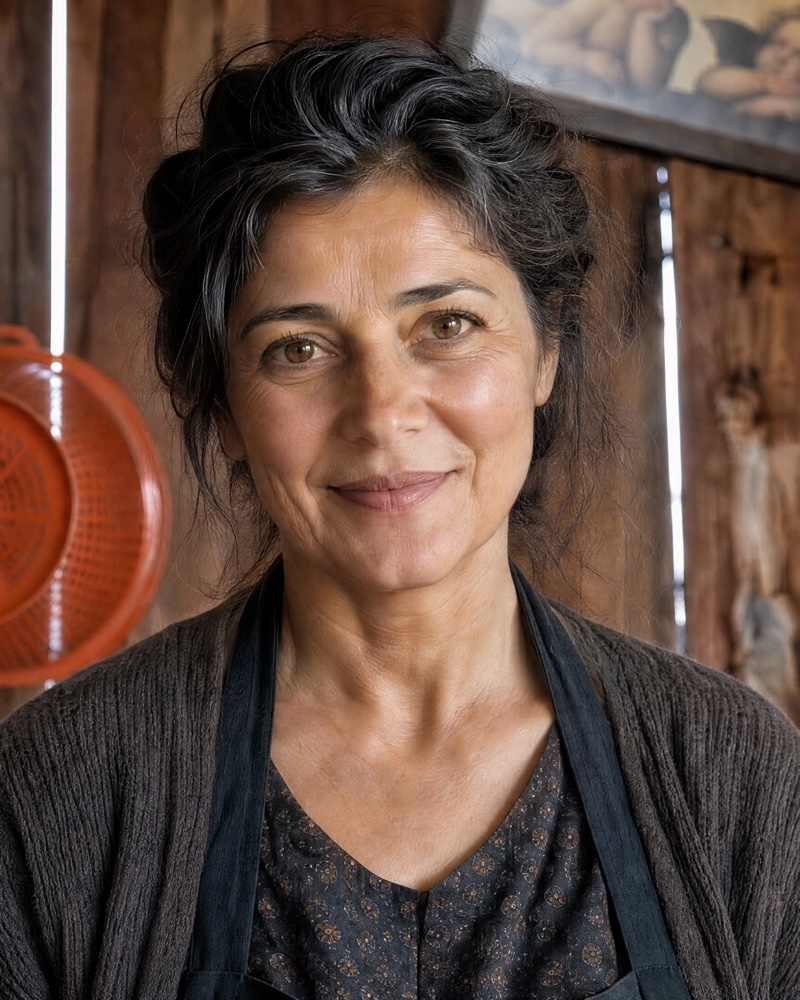
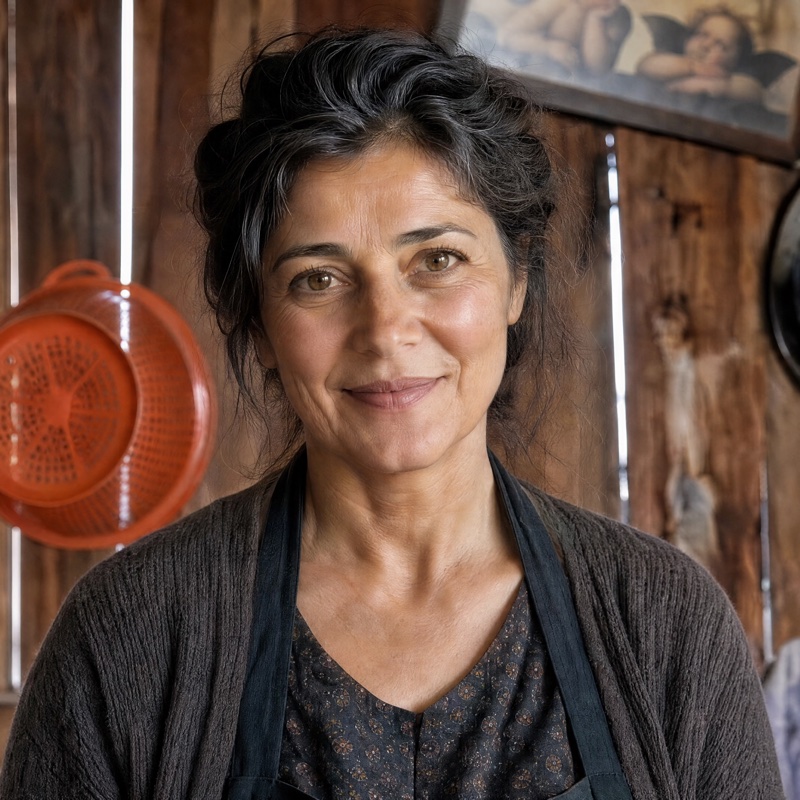
I am Maria Stancu. I am Roma, and I grew up in Romania in a family that never had much money — but somehow there was always bread on the table, food put away for winter, and something warm on the stove for anyone who knocked on the door.
My grandmother could feed eight people from one chicken. My mother could make a coat last ten years and then turn it into something for the children. Nobody called it saving money — we simply refused to spend on what we could do ourselves. I show these ways on my channel, and this book is all of them, written down.
Everything below, delivered to your email in the next two minutes.
$47$27
Get Instant AccessInstant download · Yours foreverVisa · Mastercard · PayPal · Apple Pay — secure checkout by Gumroad
Maria is Roma, from Romania, and these are her family's household ways — the kitchen, the bread, the pantry, the remedies — written down as she learned them. Each method says plainly what it will and won't do; where a tradition has limits, the book tells you the limits.
No — that's the point. Almost every method uses things you already own or can buy for very little: flour, vinegar, salt, baking soda, oil, a needle and thread. Where a method needs more, the book says so plainly.
Most of it, yes. The kitchen, bread, pantry, cleaning, mending, and money parts need no land at all — and the garden part is written for a windowsill, a bucket, or one corner of a yard.
The book opens with an honest table, part by part — typical households land somewhere between $1,400 and $3,700 a year depending on what you put to use. Deliberately realistic numbers, not promises: your household writes its own.
A PDF for any phone, tablet, or computer, formatted to print.